The brain module
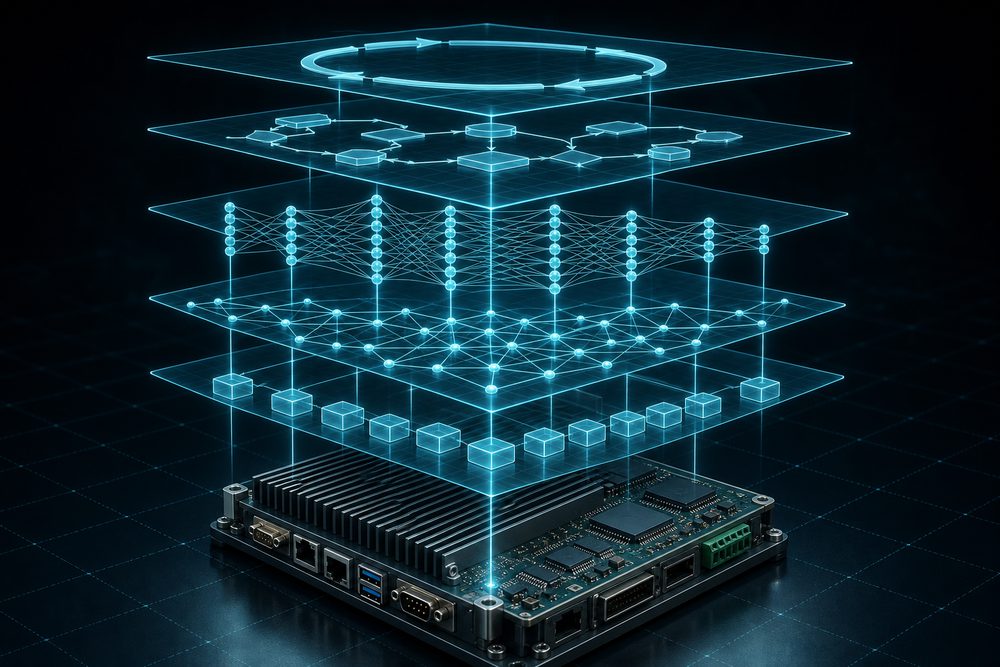
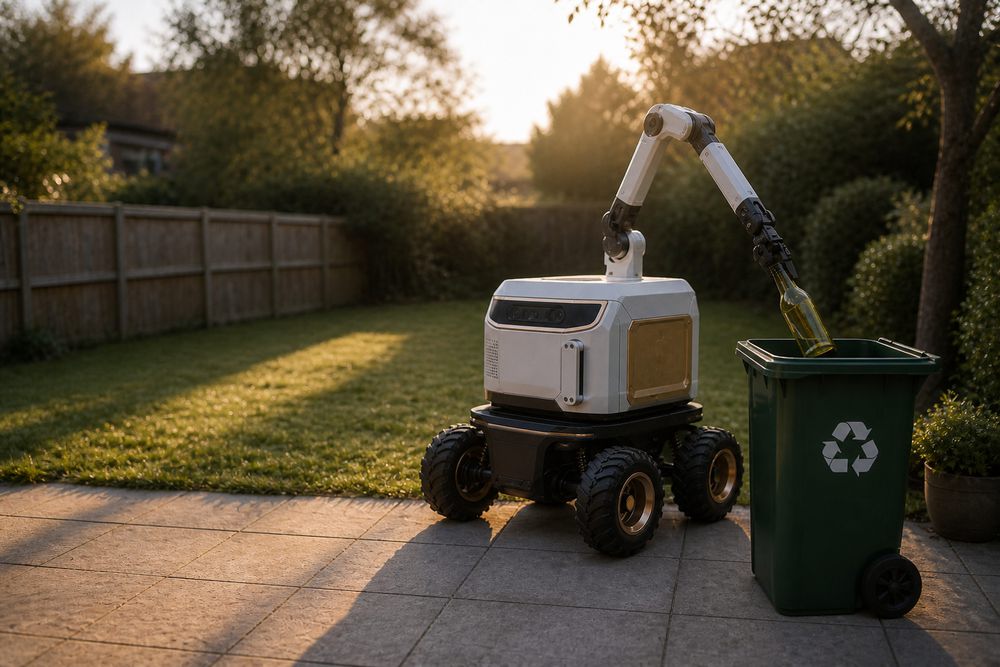
A plug-in module that makes a machine a person drives into one that drives itself. The installed base becomes the fleet, so volume does not wait on new hardware.
Autonomy for machines that do real work
Outdoor labour is short of people and long on budget. What has been missing is a way to build the machines fast and cheaply enough to meet it — so that is what we built first.
Stage one shipping · stage two in design · both developed in simulation
We start with outdoor working machines: the work with the clearest unmet demand, and the hardest conditions to do it in. Both stages have to survive manufacturing tolerance, cost-down, service and warranty — not a demonstration on a good day.
A plug-in module that makes a machine a person drives into one that drives itself. The installed base becomes the fleet, so volume does not wait on new hardware.
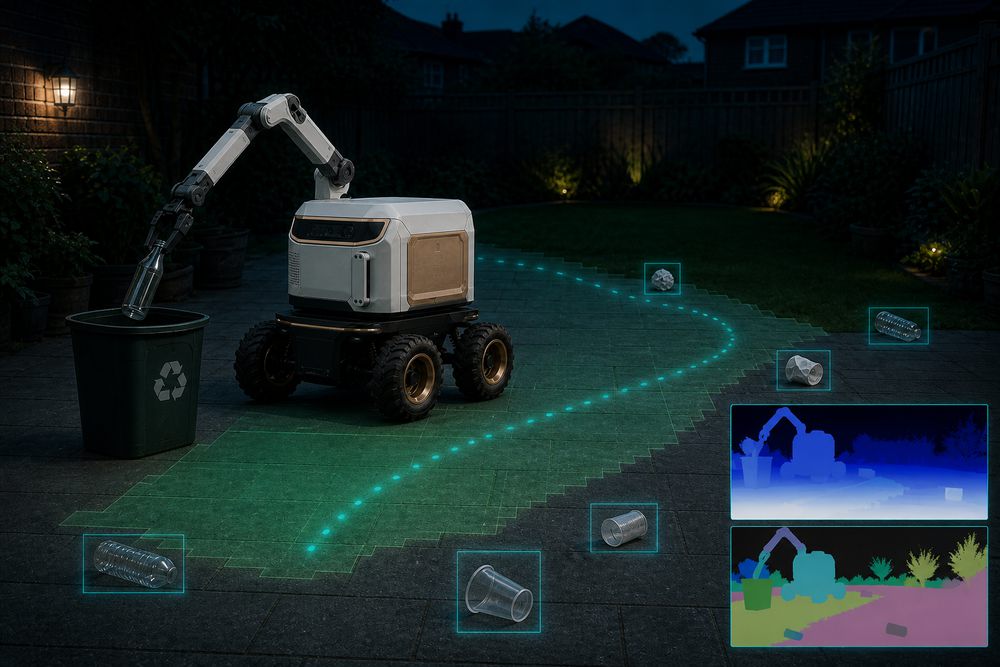
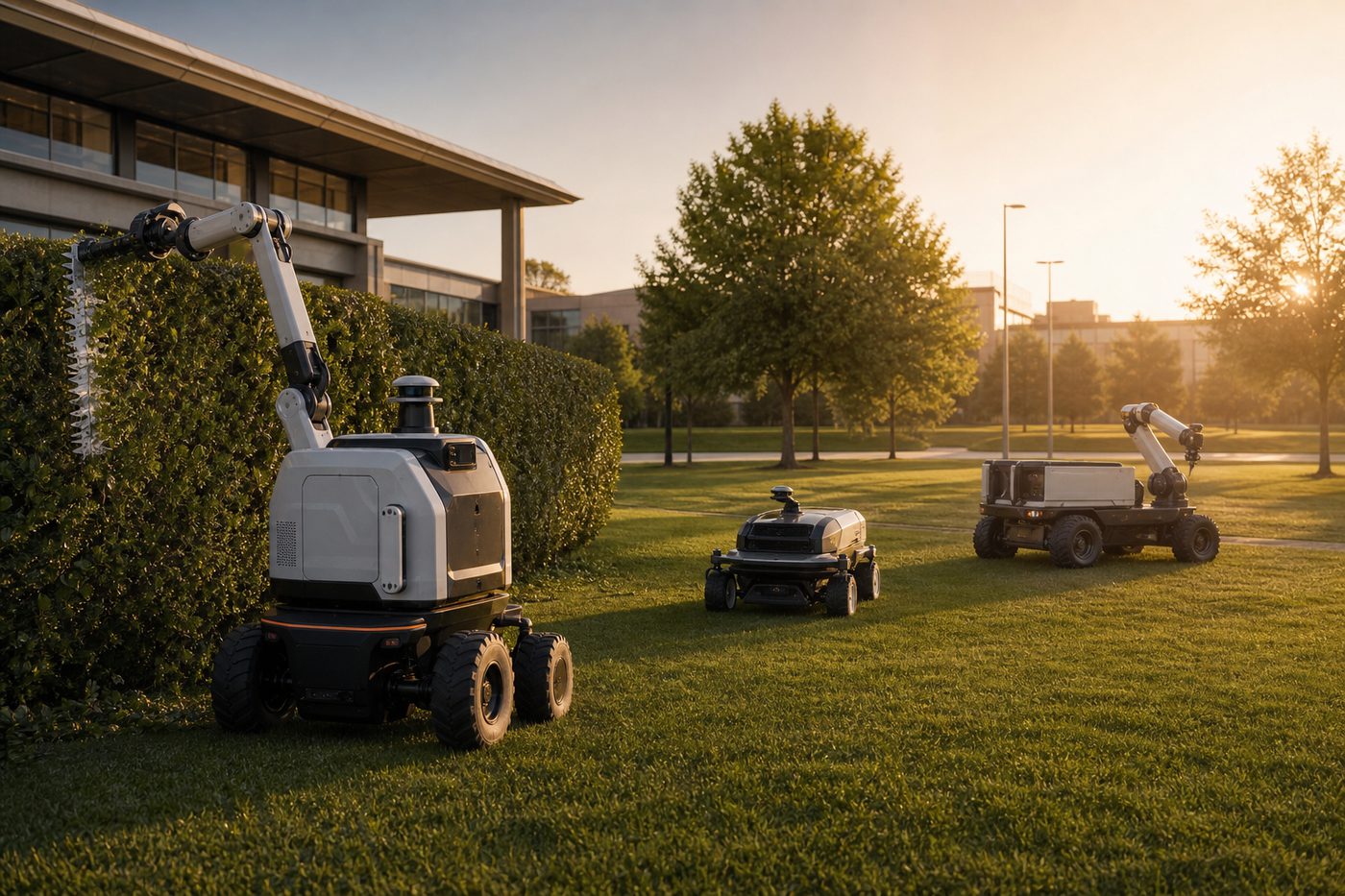
A purpose-built working machine with a tool ecosystem, specified and verified in simulation before anything is fabricated.
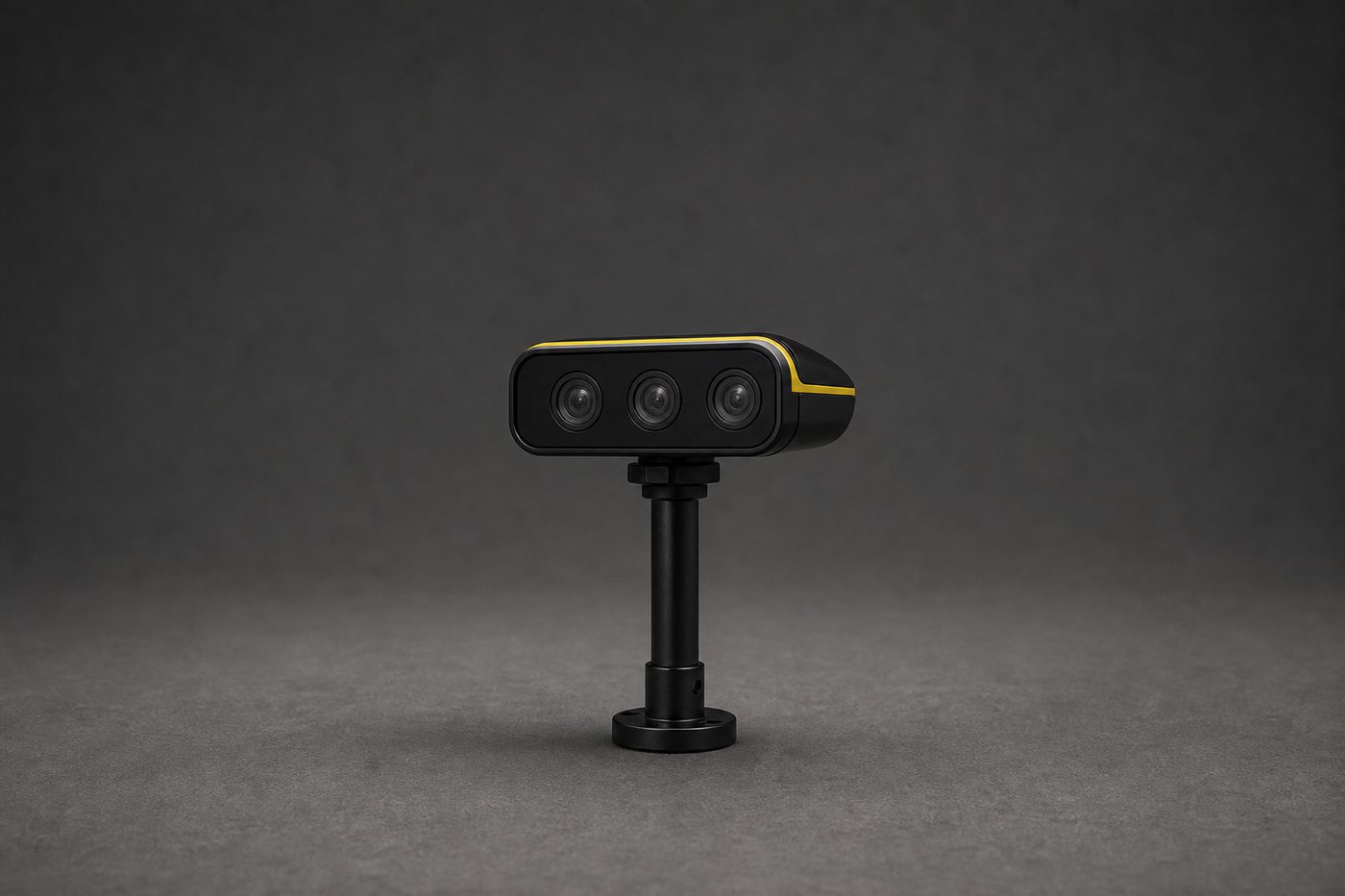
Sensing, compute and an independent safety chain in a single module.
Developed with our manufacturing partner.
Designed inside the loop, before anything is fabricated.
A robot's bill of materials falls every year. Its development cost does not. That is what keeps robots out of volume, and it is the problem we actually work on.
Perception, control and safety get rebuilt for each machine. Almost nothing carries over.
Failures are found by driving a physical machine into a physical place. Slow, unrepeatable, gated by weather and season.
Manufacturing tolerance, cost-down and warranty all change the machine. Every change reopens the testing.
That is what we build.
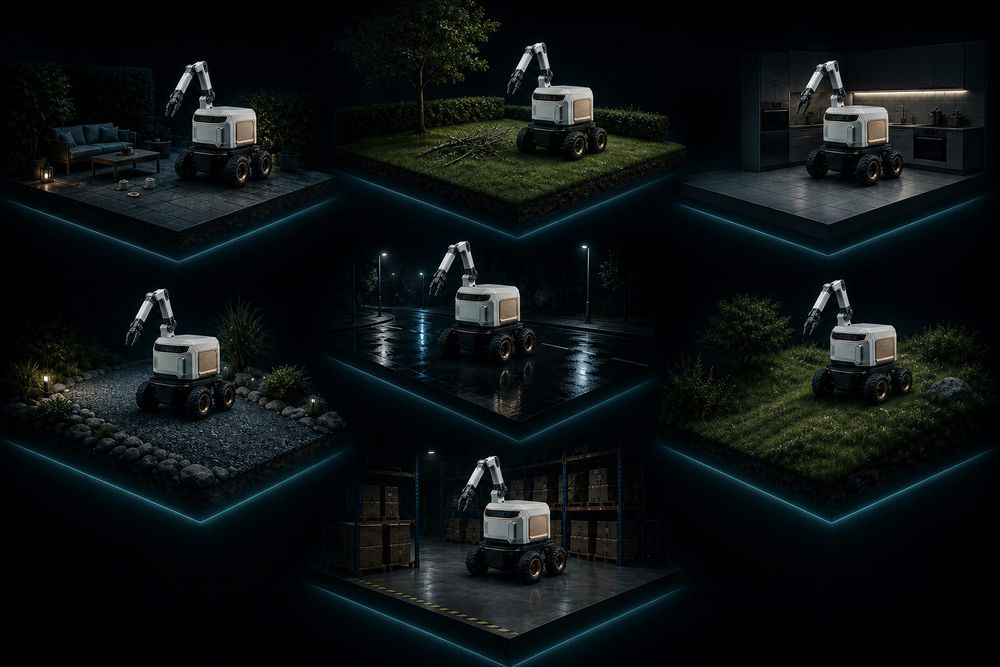
The loop is domain-agnostic. Only the world model changes.
Outdoor working machines
First. The hardest case.
Warehouse & logistics
Structured, dense, high duty cycle.
Service & inspection
Mixed indoor and outdoor, people present.
Domestic & indoor
Cluttered, unmapped, endlessly varied.
Development moves into simulation. Each stage produces exactly what the next consumes, and machines in the field feed the first stage again.
Soil deforms, grass compresses, slopes change what the machine can do.
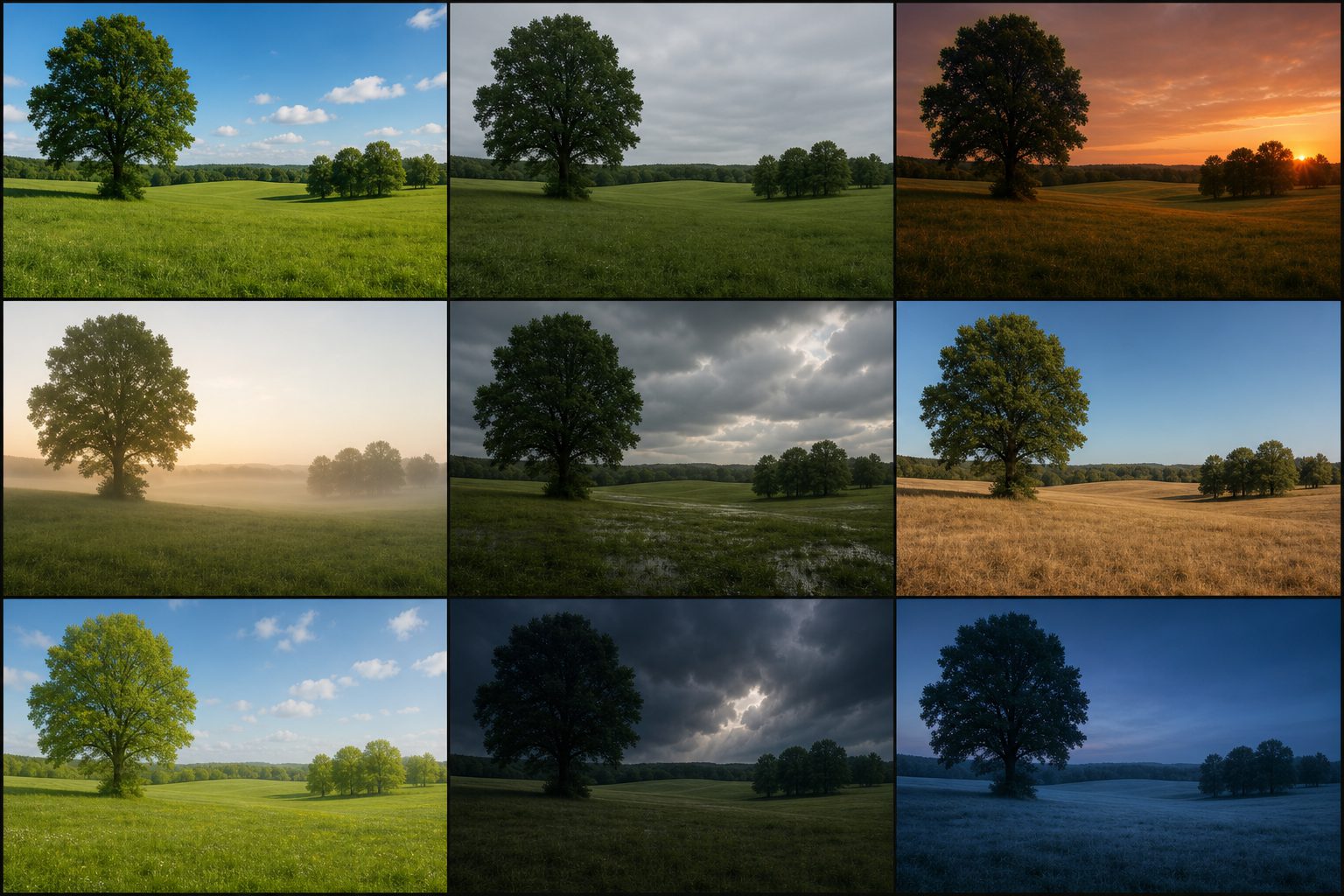
Hour, season and weather rewrite every image the robot sees.
The machine changes the place it is working, then has to perceive the change.
Sites grow, get cluttered and get rearranged between visits.
A phone walked across a site, or a drone flown over one. That is the entire input.
N cousins
from one capture
Scene count beats scene fidelity.
Working robots change the scene they are looking at. They have to see what they have already done — and no navigation simulator represents that at all.
Machines in the field return captures of the places they work. Those become new cousins, which train the next policy, which goes back onto the machines. The loop has no end. The loop is the product.
Four contracts define the system. Each is a place where a different model can be substituted without disturbing anything above it.
Terrain, surface materials, vegetation, objects, sky — and the region to be worked.
Kinematics, mass, actuation limits, sensor mounts. One description, two consumers.
Render passes, sensor channels, noise models. Fixed layout, so a policy cannot tell which engine produced a batch.
What the work did to the world.
Each layer runs today on a model good enough to train against. Each would rather run on one that is right.
Today
Render passes with fitted degradation
What can replace it
Physics-based cameras, lidar, radar and thermal — true optical and multispectral behaviour
Today
Contact and terrain models tuned to measured behaviour
What can replace it
Soil and granular mechanics, deformation, thermal, weather, electromagnetics
Today
Rigid multibody dynamics, measured actuation limits
What can replace it
Structural response, drivetrain, motor and battery across the real operating envelope
Today
Hand-built stack, verified as a system
What can replace it
Safety-certified code generation and on-target verification
We have not built this. The architecture was built so that it can be — and the layers it would need are exactly the ones left open.
Where we started
Founded at the University of Cambridge by scientists and serial founders, out of research on how machines locate themselves and move through the real world.
What we did next
Selected by one of the world's three largest electronic design automation vendors to build vehicle-level closed-loop simulation inside its pre-silicon verification platform — where driving software and the silicon beneath it are validated together, before either exists in hardware.
Why we are here
Robotics has the same bottleneck cars had, and none of the tooling. We are moving the experience across, and building the machines with it rather than only selling the method.
Per scenario
Hours → seconds
System-level verification of one driving scenario, end to end.
Scenario coverage
Unlimited
Generated, not driven.
End customers
Top three
Three of the world's largest automakers and their tier-one suppliers.
Or write directly — contact@xcrobotics.ai